Managing equipment maintenance without a proper system is like trying to juggle with your eyes closed. You're constantly reacting to breakdowns instead of preventing them, and every emergency repair hits your budget like a sledgehammer. A maintenance management system transforms this chaos into a predictable, cost-effective operation that keeps your equipment running smoothly.
This guide walks you through everything you need to know about implementing a maintenance management system. You'll learn what these systems actually do, how they differ from basic CMMS software, and the exact steps to get one running in your organization. By the end, you'll have a clear roadmap to reduce downtime, cut maintenance costs, and extend your equipment's lifespan.
What Is a Maintenance Management System?
A maintenance management system is a comprehensive approach that combines software, processes, and procedures to plan, track, and optimize all maintenance activities across an organization. Think of it as the central nervous system for your maintenance operations — it coordinates everything from routine inspections to emergency repairs.
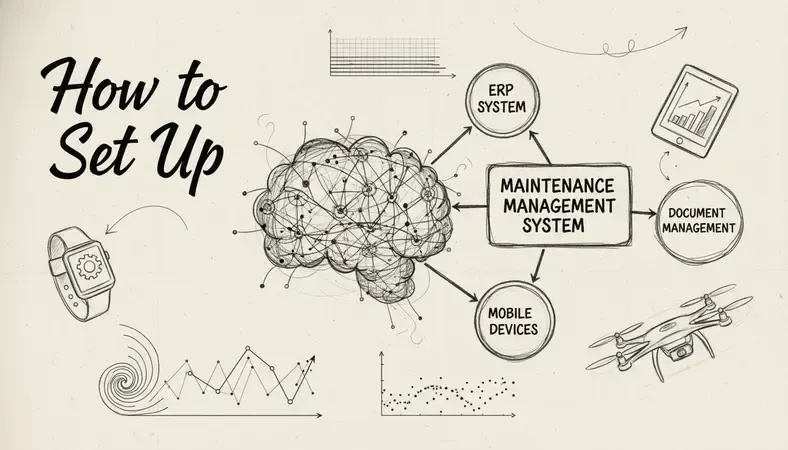
The system tracks every piece of equipment, schedules preventive maintenance tasks, manages work orders, and provides detailed reporting on maintenance performance. Modern maintenance management systems integrate with other business systems like ERP and document management platforms to create a unified operational view.
Key Insight: Companies using structured maintenance management systems see up to 40% reduction in maintenance costs and 25% improvement in equipment uptime compared to reactive maintenance approaches.
Core Components of a Maintenance Management System
Every effective maintenance management system includes these essential elements:
- Asset Management: Complete inventory of all equipment with specifications, maintenance history, and performance data
- Work Order Management: Streamlined process for creating, assigning, and tracking maintenance tasks
- Preventive Maintenance Scheduling: Automated scheduling based on time intervals, usage hours, or condition monitoring
- Inventory Control: Parts and supplies management with automated reorder points
- Reporting and Analytics: Performance metrics and insights for continuous improvement
Key Features of Maintenance Management Systems
Understanding the specific capabilities helps you evaluate what your organization needs. Modern systems offer sophisticated features that go far beyond simple scheduling.
Essential System Capabilities
- Mobile Access: Technicians can access work orders, update status, and capture data from smartphones or tablets
- Barcode/QR Code Integration: Quick equipment identification and data entry
- Document Management: Store manuals, procedures, and compliance records with easy retrieval
- Integration APIs: Connect with ERP systems, IoT sensors, and other business applications
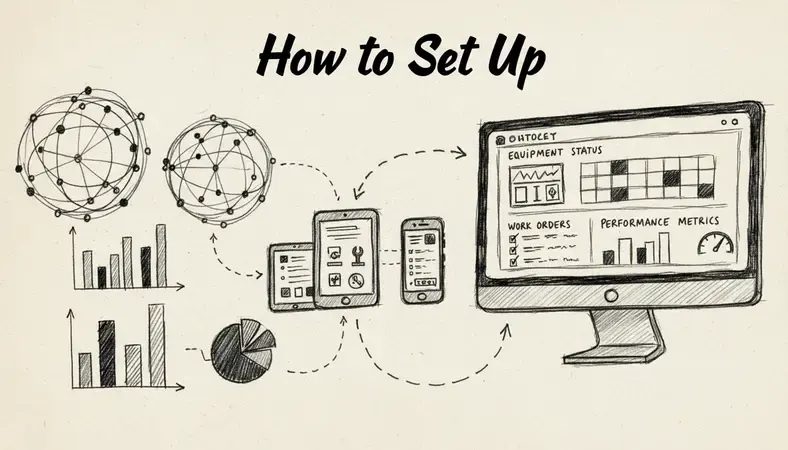
- Customizable Dashboards: Real-time visibility into maintenance KPIs and equipment status
- Automated Notifications: Alerts for overdue tasks, parts shortages, and equipment issues
Advanced Analytics Features
The best maintenance management systems provide predictive insights that help you make smarter decisions:
- Failure Pattern Analysis: Identify recurring problems and root causes
- Cost Tracking: Monitor maintenance expenses by equipment, department, or task type
- Performance Benchmarking: Compare equipment efficiency across your facility
- Compliance Reporting: Automated documentation for regulatory requirements
Maintenance Management System vs CMMS: Differences
Many people use these terms interchangeably, but there are important distinctions that affect which solution fits your needs.
Comparison of System Types
| Aspect | Maintenance Management System | CMMS Software |
|---|---|---|
| Scope | Comprehensive maintenance strategy | Software tool for maintenance tasks |
| Focus | Process optimization and strategy | Work order and asset tracking |
| Integration | Enterprise-wide system connections | Limited integration capabilities |
| Implementation | Requires organizational change management | Primarily software deployment |
| Cost Structure | Higher upfront investment, better ROI | Lower initial cost, limited scalability |
| Customization | Highly configurable workflows | Standard features with some flexibility |
When to Choose Each Approach
Choose a comprehensive maintenance management system when: * You manage complex, high-value equipment * Regulatory compliance is critical * You need integration with ERP or document management systems * Your organization is ready for process transformation
Choose standalone CMMS software when: * You have straightforward maintenance needs * Budget constraints limit your options * You want quick implementation with minimal change management * Your current processes work well and just need digital tracking
How to Implement a Maintenance Management System
Implementation success depends on careful planning and systematic execution. Here's the proven approach that minimizes disruption while maximizing adoption.
Step 1: Assessment and Planning
- Conduct Equipment Audit: Create a complete inventory of all assets requiring maintenance
- Document Current Processes: Map existing workflows, identify pain points, and note what works well
- Define Success Metrics: Establish baseline measurements for downtime, costs, and efficiency
- Identify Stakeholders: Include maintenance staff, operations managers, IT personnel, and end users
- Set Realistic Timeline: Plan for 3-6 months implementation depending on organization size
Step 2: System Selection and Setup
- Evaluate Software Options: Compare features, integration capabilities, and vendor support
- Configure Core Settings: Set up equipment hierarchies, maintenance schedules, and user permissions
- Import Historical Data: Transfer existing maintenance records and equipment information
- Design Workflows: Create approval processes, escalation procedures, and notification rules
- Test System Functionality: Run pilot scenarios with key users before full deployment
Step 3: Training and Rollout
- Train Super Users: Develop internal experts who can support other team members
- Conduct Hands-On Sessions: Provide practical training with real work scenarios
- Create Quick Reference Guides: Develop job aids for common tasks and procedures
- Start with Pilot Department: Begin with one area before organization-wide rollout
- Monitor and Support: Provide ongoing assistance during the transition period

Step 4: Optimization and Continuous Improvement
- Review Performance Data: Analyze system reports to identify improvement opportunities
- Gather User Feedback: Regular check-ins with maintenance staff and managers
- Refine Processes: Adjust workflows based on real-world usage patterns
- Expand Functionality: Add advanced features as users become comfortable with basics
- Measure ROI: Track cost savings, efficiency gains, and equipment reliability improvements
Best Maintenance Management Systems for Different Industries
The right system depends heavily on your industry's specific requirements and regulatory environment.
Manufacturing and Industrial
Manufacturing facilities need robust systems that handle complex equipment hierarchies and integrate with production systems:
- Best for Large Manufacturing: Enterprise-level systems with ERP integration
- Best for Mid-Size Plants: Scalable CMMS programs with mobile capabilities
- Best for Specialized Equipment: Industry-specific solutions with built-in compliance features
Healthcare and Laboratories
Healthcare organizations require systems that meet strict regulatory requirements and ensure patient safety:
- Critical Features: FDA compliance tracking, biomedical equipment management, and audit trails
- Integration Needs: Connection with hospital information systems and electronic health records
- Specialized Requirements: Calibration management and preventive maintenance for life-critical equipment
Facilities and Property Management
Building maintenance systems focus on HVAC, electrical, and structural components:
- Key Capabilities: Energy management integration, tenant request tracking, and contractor management
- Compliance Focus: Building codes, safety regulations, and environmental requirements
- Cost Optimization: Utility tracking, space utilization, and lifecycle cost analysis
ROI and Cost-Benefit Analysis
Understanding the financial impact helps justify the investment and measure success over time.
Typical Cost Savings Areas
- Reduced Emergency Repairs: Preventive maintenance prevents 60-70% of equipment failures
- Extended Equipment Life: Proper maintenance can increase asset lifespan by 20-30%
- Lower Labor Costs: Efficient scheduling and mobile access reduce maintenance labor by 15-25%
- Inventory Optimization: Better parts management typically reduces inventory costs by 10-20%
- Energy Efficiency: Well-maintained equipment operates 5-15% more efficiently
Implementation Costs to Consider
- Software Licensing: Annual fees typically range from $50-200 per user per month
- Hardware Requirements: Mobile devices, barcode scanners, and potential server upgrades
- Training and Change Management: Initial training and ongoing support during transition
- Data Migration: Converting existing records and setting up system configurations
- Integration Development: Connecting with existing business systems
Bottom Line: Most organizations see positive ROI within 12-18 months, with annual savings of 15-25% of total maintenance costs after full implementation.
Integration with Document Management and ERP Systems
Modern maintenance management systems don't operate in isolation — they connect with your entire business ecosystem.
Document Management Integration Benefits
Connecting your maintenance system with document management platforms like LogicalDOC creates powerful synergies:
- Centralized Documentation: Store equipment manuals, procedures, and compliance records in one location
- Version Control: Ensure technicians always access the latest procedures and specifications
- Automated Workflows: Route maintenance reports and approvals through structured processes
- Audit Trails: Complete documentation history for regulatory compliance and quality assurance
ERP System Connections
Integration with enterprise resource planning systems provides comprehensive business visibility:
- Financial Integration: Automatic cost tracking and budget management
- Procurement Coordination: Seamless parts ordering and vendor management
- Asset Lifecycle Management: Complete equipment tracking from purchase to disposal
- Performance Analytics: Combined operational and financial reporting
Common Questions About Maintenance Management Systems
How Long Does Implementation Take?
Implementation typically takes 3-6 months depending on organization size and complexity. Small facilities with straightforward needs can be operational in 6-8 weeks, while large organizations with multiple locations and complex integration requirements may need 6-12 months. The key factors affecting timeline include data migration complexity, integration requirements, and the scope of process changes.
What's the Difference Between Reactive and Preventive Maintenance?
Reactive maintenance means fixing equipment after it breaks down, while preventive maintenance involves scheduled tasks designed to prevent failures. Studies show that reactive maintenance costs 3-5 times more than preventive maintenance when you factor in emergency repairs, production downtime, and secondary equipment damage. A maintenance management system helps transition from reactive to preventive approaches.
Can Small Businesses Benefit From These Systems?
Absolutely. Small businesses often see the biggest relative benefits because they're moving from manual, paper-based processes to automated systems. Cloud-based solutions make enterprise-level functionality affordable for organizations with just a few maintenance staff. The key is choosing a system that scales with your needs without overwhelming your team with unnecessary complexity.
How Do You Measure System Success?
Success metrics typically include reduced equipment downtime, lower maintenance costs per asset, improved work order completion rates, and better regulatory compliance scores. Most organizations track mean time between failures (MTBF), mean time to repair (MTTR), and overall equipment effectiveness (OEE). The specific metrics depend on your industry and organizational priorities.
What About Data Security and Access Control?
Modern maintenance management systems include robust security features like role-based access control, encrypted data transmission, and audit logging. You can control who sees what information and track all system activities. For organizations with sensitive equipment or regulatory requirements, look for systems that meet industry security standards and offer on-premise deployment options.
How Does Mobile Access Change Maintenance Operations?
Mobile access transforms maintenance from a desk-bound activity to a field-based operation. Technicians can receive work orders, update status, capture photos, and access documentation directly from the equipment location. This eliminates paperwork delays, improves data accuracy, and enables real-time communication between field staff and management.
The Bottom Line
A well-implemented maintenance management system transforms reactive maintenance chaos into proactive operational excellence. The combination of systematic planning, the right software tools, and proper training creates measurable improvements in equipment reliability and cost control.
Streamline your maintenance operations with LogicalDOC — integrate maintenance documentation, procedures, and compliance records in one secure, searchable platform that connects seamlessly with your maintenance management system. Ready to get started? Visit LogicalDOC to learn more.

Latest posts by Cristian Fulger (see all)
- How to Set Up a Maintenance Management System - 03/18/2026
- CMMS vs Traditional Maintenance: Which Is Best? - 03/17/2026
- Project Management Software Explained - 03/16/2026
- DMS Warehouse: Essential Tools and Resources - 03/15/2026
- DMS Warehouse: Essential Resources - 03/15/2026