Project management softwares have transformed how teams collaborate, track progress, and deliver results. With the right platform, you can streamline workflows, eliminate communication gaps, and keep projects on schedule. This guide examines the top project management softwares worth considering, helping you choose the platform that fits your team's specific needs and workflow requirements.

What Is Project Management Software?
Project management software is a digital platform designed to help teams plan, organize, execute, and track projects from start to finish. These tools centralize project information, facilitate team collaboration, and provide visibility into project progress through dashboards, timelines, and reporting features.
The software typically includes task management, resource allocation, timeline tracking, and communication tools. Modern project management softwares integrate with other business applications, automate routine processes, and provide real-time insights into project performance.
Key Components of Project Management Tools
| Component | Function | Benefit |
|---|---|---|
| Task Management | Create, assign, and track individual tasks | Clear accountability and progress visibility |
| Timeline Visualization | Gantt charts and project calendars | Better planning and deadline management |
| Resource Allocation | Assign team members and track capacity | Prevent overallocation and optimize workload |
| Collaboration Tools | Comments, file sharing, and notifications | Streamlined team communication |
| Reporting Dashboard | Real-time project metrics and analytics | Data-driven decision making |
Types of Project Management Tools
Understanding the different categories helps you identify which type of project tracking software aligns with your workflow and project complexity.
Traditional Project Management Platforms
These comprehensive solutions offer robust features for complex projects requiring detailed planning and resource management. They typically include advanced scheduling, budget tracking, and extensive reporting capabilities.
Best for: Large organizations, construction projects, software development teams, and projects with multiple stakeholders requiring detailed oversight.
Agile and Scrum-Focused Tools
Designed specifically for iterative development processes, these platforms emphasize sprint planning, backlog management, and continuous delivery workflows common in software development.
Best for: Software development teams, product management, and organizations following agile methodologies.
Simple Task Management Solutions
Streamlined platforms that focus on task organization and basic project tracking without overwhelming features. These tools prioritize ease of use and quick adoption.
Best for: Small teams, creative agencies, and organizations new to project management software.
Key Features to Look For
When evaluating project management softwares, certain features distinguish truly effective platforms from basic task lists.
Essential Core Features
- Intuitive Task Creation: Quick task setup with clear assignment, due dates, and priority levels
- Visual Project Timelines: Gantt charts or timeline views that show project progression and dependencies
- Real-Time Collaboration: Comment threads, file attachments, and instant notifications
- Customizable Workflows: Ability to adapt the software to your team's specific processes
- Mobile Accessibility: Full functionality on smartphones and tablets for remote work
Advanced Capabilities
- Resource Management: Track team capacity, workload distribution, and availability
- Budget Tracking: Monitor project costs, expenses, and resource allocation
- Time Tracking: Built-in timers and timesheet functionality for accurate project costing
- Integration Ecosystem: Connections with email, calendars, file storage, and communication tools
- Reporting and Analytics: Customizable dashboards showing project health, team performance, and delivery metrics
Best Project Management Software Options
1. Asana
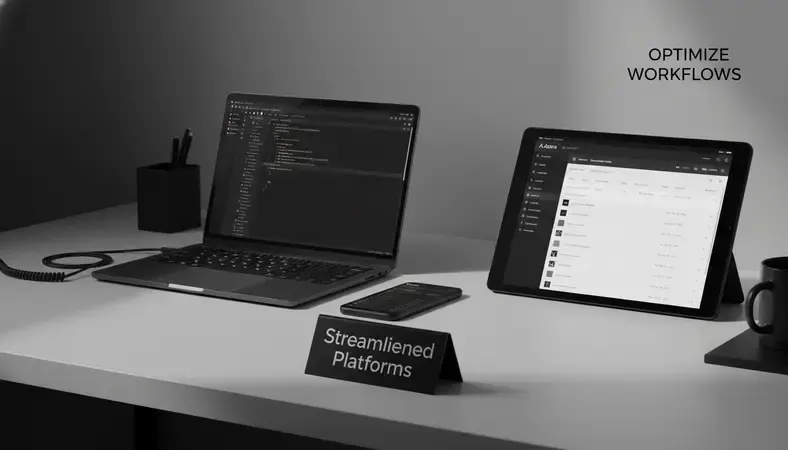
Asana combines powerful project tracking capabilities with an intuitive interface that teams can adopt quickly. The platform excels at visualizing work through multiple project views and maintaining clear task hierarchies.
Key Strengths: * Multiple project views including lists, boards, timeline, and calendar * Robust task dependencies and milestone tracking * Strong integration with popular business tools * Excellent mobile application functionality * Comprehensive free tier for small teams
Best Use Cases: * Marketing teams managing campaigns across multiple channels * Product development teams tracking feature releases * Operations teams coordinating cross-functional initiatives
Limitations: * Advanced features require paid plans * Can become complex for simple project needs * Limited customization compared to enterprise solutions
2. Monday.com
Monday.com stands out for its visual approach to project management and extensive customization options. The platform adapts to various workflows while maintaining simplicity.
Key Strengths: * Highly visual and colorful interface * Extensive automation capabilities * Strong template library for different industries * Excellent customer support and onboarding * Flexible pricing based on team size
Best Use Cases: * Creative agencies managing client projects * Sales teams tracking deals and customer relationships * HR teams managing recruitment and employee onboarding
Limitations: * Can be expensive for larger teams * Learning curve for advanced automation features * Limited reporting in basic plans
3. Trello
Trello's card-based system provides a simple yet effective approach to project organization. The platform's Kanban-style boards make it easy to visualize workflow stages and task progression.
Key Strengths: * Extremely intuitive Kanban board interface * Quick setup and minimal learning curve * Strong mobile application * Affordable pricing structure * Excellent for visual learners
Best Use Cases: * Small teams managing straightforward projects * Personal project organization * Teams transitioning from physical boards to digital tools
Limitations: * Limited advanced project management features * Lacks built-in time tracking * Not suitable for complex project dependencies
4. Jira
Originally designed for software development teams, Jira has evolved into a comprehensive project management solution with strong agile and scrum capabilities.
Key Strengths: * Powerful issue tracking and bug management * Advanced agile project management features * Extensive customization and workflow options * Strong integration with development tools * Detailed reporting and analytics
Best Use Cases: * Software development teams using agile methodologies * IT teams managing service requests and incidents * Organizations requiring detailed audit trails
Limitations: * Steep learning curve for non-technical users * Can be overwhelming for simple projects * Requires configuration time to optimize
5. Basecamp
Basecamp focuses on simplicity and team communication, providing essential project management tools without overwhelming complexity.
Key Strengths: * Clean, distraction-free interface * Strong emphasis on team communication * Flat-rate pricing regardless of team size * Excellent client collaboration features * Reliable and stable platform
Best Use Cases: * Client services teams managing multiple accounts * Remote teams requiring clear communication channels * Organizations preferring simple, reliable tools
Limitations: * Lacks advanced project management features * No built-in time tracking * Limited integration options
Project Management Software vs Document Management
While project management softwares excel at task coordination and workflow management, they often require integration with robust document management systems for complete project oversight.
When Document Management Becomes Critical
Project management softwares handle task assignment and progress tracking effectively, but complex projects generate substantial documentation requiring specialized management. Document version control, compliance tracking, and secure file sharing often exceed the capabilities of standard project management platforms.
Organizations in regulated industries or document-intensive sectors benefit from dedicated document management systems that integrate with their project tracking software. This combination ensures both workflow efficiency and comprehensive document governance.
For teams using LogicalDOC alongside project management tools, the integration creates a powerful ecosystem where project tasks link directly to relevant documents, contracts, and compliance materials. This approach maintains project momentum while ensuring document security and regulatory compliance.
How to Choose the Right Project Management Tool
Selecting the appropriate project management software requires evaluating your team's specific needs, technical requirements, and growth plans.
Assessment Framework
Team Size and Structure: * Small teams (under 10 people) often benefit from simple, intuitive platforms * Medium teams (10-50 people) require more robust collaboration and reporting features * Large organizations need enterprise-grade security, customization, and integration capabilities
Project Complexity: * Simple projects with clear timelines work well with basic task management tools * Complex projects with dependencies require advanced scheduling and resource management * Multi-phase projects benefit from comprehensive programme management software features
Industry Requirements: * Creative teams prioritize visual organization and client collaboration * Development teams need agile workflow support and technical integrations * Regulated industries require audit trails and compliance documentation
Evaluation Criteria
| Criterion | Questions to Consider | Impact on Selection |
|---|---|---|
| Ease of Adoption | How quickly can the team start using the tool effectively? | Critical for user acceptance |
| Scalability | Will the software grow with your organization? | Important for long-term investment |
| Integration Capability | Does it connect with your existing business tools? | Essential for workflow efficiency |
| Support Quality | What level of customer support is available? | Important for implementation success |
| Total Cost | What are the true costs including training and setup? | Critical for budget planning |

Implementation Best Practices
Start with a Pilot Project: Test your chosen pmo software with a small team and straightforward project before rolling out organization-wide. This approach identifies potential issues and allows you to refine processes before broader implementation.
Invest in Training: Proper training significantly impacts adoption success. Most platforms offer onboarding resources, webinars, and certification programs that help teams maximize their investment.
Plan for Integration: Consider how the project management software will connect with existing tools like email, calendars, file storage, and communication platforms. Seamless integration reduces friction and improves adoption rates.
Project Management Software Pricing
Understanding pricing models helps you budget effectively and avoid unexpected costs as your team grows.
Common Pricing Structures
Per-User Monthly Pricing: Most project mgmt software platforms charge monthly fees per active user. Prices typically range from basic plans to enterprise tiers with advanced features.
Flat-Rate Pricing: Some platforms offer unlimited users for a fixed monthly fee, which can be cost-effective for larger teams.
Freemium Models: Many providers offer free tiers with limited features, allowing teams to test functionality before committing to paid plans.
Hidden Costs to Consider
- Implementation and Setup: Custom configuration, data migration, and initial training
- Integration Development: Connecting with existing systems may require technical work
- Advanced Features: Premium reporting, automation, and security features often require higher-tier plans
- Storage Overages: Large file attachments and document storage may incur additional charges
Budget Planning Tip: Factor in 20-30% additional costs beyond base subscription fees for training, setup, and potential feature upgrades during your first year.
Common Questions About Project Management Software
How long does it typically take to implement project management software?
Implementation timelines vary significantly based on team size and complexity requirements. Small teams using simple platforms like Trello or Asana can be productive within days. Medium-sized organizations implementing comprehensive solutions typically require 2-4 weeks for proper setup, training, and workflow configuration.
Large enterprises with complex requirements may need 2-3 months for full implementation, including data migration, custom integrations, and comprehensive training programs. The key is starting with core functionality and gradually expanding to advanced features.
Can project management software replace email for team communication?
Modern project management softwares significantly reduce email volume by centralizing project-related communication within task comments and project channels. However, they typically complement rather than completely replace email.
Teams often find that 60-70% of project communication moves into the project management platform, while email remains important for external stakeholder communication, formal notifications, and sensitive discussions requiring privacy.
What happens to project data if we switch platforms?
Most reputable project management software providers offer data export capabilities, though the format and completeness vary. Before selecting a platform, verify their data portability options and export formats.
Common export options include CSV files for task data, PDF reports for project summaries, and API access for custom data migration. Some platforms offer direct migration services when switching between popular tools, though this may involve additional costs.
How do we measure success after implementing project management software?
Effective measurement focuses on both quantitative metrics and qualitative improvements. Key performance indicators include project completion rates, timeline adherence, budget variance, and team productivity metrics.
Qualitative measures include team satisfaction surveys, communication efficiency improvements, and reduced time spent in status meetings. Most organizations see measurable improvements within 30-60 days of proper implementation.
The Bottom Line
The right project management software transforms how your team collaborates and delivers results. Whether you need simple task tracking or comprehensive programme management software, focus on platforms that match your team's workflow and growth trajectory. Streamline your document workflows at LogicalDOC — organize project documents, maintain version control, and ensure compliance alongside your project management tools. Ready to get started? Visit LogicalDOC to learn more.

Latest posts by Cristian Fulger (see all)
- Top Project Management Software Worth Trying - 04/09/2026
- Best Project Management Software Picks - 04/09/2026
- How to Set Up an Inventory Management Program - 04/08/2026
- Essential Program Management Software Resources - 04/07/2026
- Inventory Management Software: Top Solutions - 04/06/2026