Managing inventory and fulfillment can make or break your business. For years, companies handled everything in-house—warehousing, picking, packing, shipping—which worked fine until order volumes exploded. Then came the scramble for warehouse space, staff, and systems. A third-party logistics (3PL) warehouse completely changes that equation.
A 3PL warehouse is a specialized facility operated by an external company that handles your inventory storage, order fulfillment, and shipping operations. Instead of managing your own warehouse, you partner with experts who already have the infrastructure, technology, and staff in place. They receive your products, store them efficiently, pick and pack orders when they come in, and ship them directly to your customers.
This guide walks you through everything you need to know about setting up and working with a 3PL warehouse. You'll learn how to choose the right provider, integrate their systems with yours, and optimize the entire process for maximum efficiency. Whether you're a growing e-commerce business or an established company looking to streamline operations, understanding 3PL warehousing is essential for scaling without the headaches of managing physical inventory yourself.

What Is a 3PL Warehouse and How It Works
A third-party logistics warehouse represents a fundamental shift in how businesses handle their supply chain operations. Rather than owning or leasing warehouse space, hiring staff, and managing complex fulfillment processes, companies outsource these critical functions to specialized providers.
The concept emerged from a simple business reality: most companies excel at creating products or services, not at warehousing and logistics. A software company shouldn't need to become experts in inventory management systems, shipping negotiations, or warehouse optimization. That's where 3PL providers step in.
The Core Components of 3PL Warehousing
At its foundation, a 3PL warehouse operates as an extension of your business. When customers place orders, the 3PL receives those orders through integrated systems, locates the products in their facility, packages them according to your specifications, and ships them using pre-negotiated carrier rates.
The physical infrastructure typically includes climate-controlled storage areas, specialized equipment for different product types, sophisticated inventory tracking systems, and dedicated packing stations. Many modern 3PL facilities incorporate automation technologies like conveyor systems, robotic picking assistance, and advanced warehouse management software.
Technology Integration and Data Flow
Modern 3PL operations rely heavily on seamless technology integration. Your e-commerce platform, inventory management system, or ERP software connects directly with the 3PL's warehouse management system (WMS). This integration enables real-time inventory updates, automatic order transmission, and detailed tracking information.
When a customer places an order on your website, that order automatically flows to the 3PL's system within minutes. Their staff receives picking instructions, locates the items, packages them according to your brand guidelines, and generates shipping labels. Throughout this process, both you and your customer receive updates on order status and tracking information.
Why It Matters: This level of integration means you maintain complete visibility and control over your fulfillment process without the operational burden. You can focus on growing your business while professionals handle the logistics complexity.
Service Level Agreements and Performance Metrics
Professional 3PL providers operate under detailed service level agreements (SLAs) that specify performance expectations. These typically include metrics like order accuracy rates (usually 99.5% or higher), shipping timeframes (often same-day or next-day processing), and inventory accuracy levels.
Most 3PL warehouses provide detailed reporting dashboards where you can monitor these metrics in real-time. You'll see data on order volumes, shipping costs, inventory levels, and performance against agreed-upon standards. This transparency ensures accountability and helps identify opportunities for optimization.
How 3PL Warehouse Operations Function
Understanding the day-to-day operations of a 3PL warehouse helps you make better decisions about integration and optimization. The process involves several interconnected phases, each requiring coordination between your business systems and the 3PL's infrastructure.
Receiving and Inventory Management
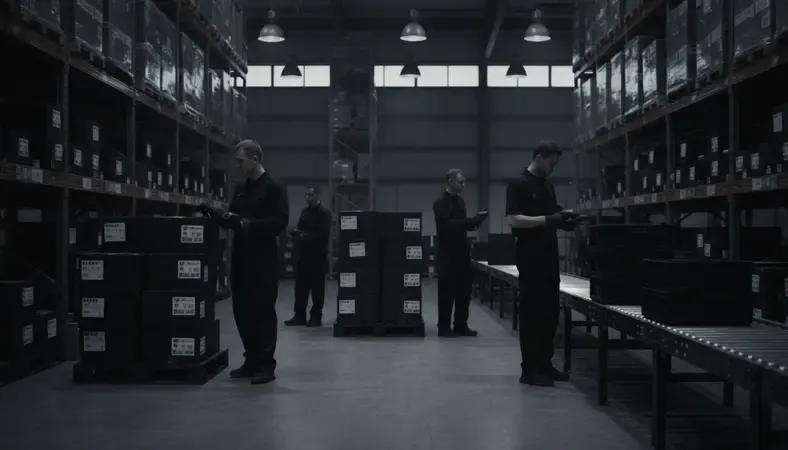
The fulfillment process begins when your products arrive at the 3PL facility. Professional receiving teams inspect incoming shipments against advance shipping notices (ASNs) that you provide. They verify quantities, check for damage, and ensure products match specifications.
Once verified, products move through a systematic put-away process. The warehouse management system assigns optimal storage locations based on factors like product velocity, size, weight, and special handling requirements. Fast-moving items get placed in easily accessible locations, while slower-moving inventory goes to higher shelves or less accessible areas.
Modern 3PL facilities use barcode scanning or RFID technology to track every item's location precisely. This creates a digital map of your inventory that updates in real-time as products move through the facility. You can access this information through web-based dashboards that show exactly what's in stock and where it's located.
Order Processing and Fulfillment Workflow
When orders arrive from your sales channels, the 3PL's system immediately begins the fulfillment workflow. Orders undergo automatic validation to check inventory availability, shipping address accuracy, and any special handling requirements you've specified.
The system then generates optimized picking routes for warehouse staff. These routes consider factors like product locations, order priorities, and staff workload to minimize travel time and maximize efficiency. Pick lists include detailed information about each item, including photos, descriptions, and any special packing instructions.
Quality control checkpoints occur throughout the process. Many 3PL facilities implement multi-stage verification where different staff members verify picking accuracy, packaging compliance, and shipping label correctness before orders leave the facility.
Packaging and Shipping Coordination
Professional 3PL providers maintain relationships with multiple shipping carriers, allowing them to select the most cost-effective and appropriate shipping method for each order. They negotiate volume discounts that individual businesses typically can't access, passing those savings along to their clients.
Packaging operations follow your specific brand guidelines and requirements. This includes using your branded packaging materials, including marketing inserts or promotional materials, and following any special packaging instructions for fragile or sensitive products. Many 3PL providers offer custom packaging solutions that enhance your brand presentation.
The shipping process includes automatic carrier selection based on factors like destination, package size and weight, delivery timeframe requirements, and cost optimization. Orders typically ship the same day they're processed, with tracking information automatically transmitted to both you and your customers.
Returns Processing and Reverse Logistics
Returns processing represents a critical but often overlooked aspect of 3PL operations. When customers return products, the 3PL receives them, inspects their condition, and determines appropriate disposition based on your return policies.
Returned items might be restocked if they're in sellable condition, sent for refurbishment or repair, donated to charity, or disposed of according to your specifications. The 3PL's system tracks all returned inventory and provides detailed reporting on return rates, reasons, and financial impact.
Pro Tip: Establish clear return processing procedures with your 3PL provider from the beginning. This includes defining inspection criteria, restocking fees, and disposition instructions for different product categories. Clear procedures prevent confusion and ensure consistent handling of returned merchandise.
Key Components of Effective 3PL Warehouse Partnerships
Success with 3PL warehousing depends heavily on choosing the right provider and structuring the partnership effectively. Several critical components determine whether the relationship delivers the efficiency gains and cost savings you're seeking.
Technology Infrastructure and Integration Capabilities
The foundation of any successful 3PL partnership lies in robust technology integration. Your chosen provider should offer APIs or direct integrations with your existing e-commerce platform, inventory management system, or ERP software. This integration eliminates manual data entry and reduces the risk of errors.
Modern 3PL providers offer real-time inventory visibility through web-based dashboards. You should be able to see current stock levels, incoming shipments, order status, and performance metrics at any time. The system should also provide automated alerts for low inventory levels, shipping delays, or quality issues.
Advanced 3PL providers offer additional technology features like demand forecasting tools, inventory optimization recommendations, and detailed analytics on shipping patterns and costs. These capabilities help you make better decisions about inventory planning and distribution strategy.
Geographic Coverage and Distribution Network
Consider your customer base and shipping requirements when evaluating 3PL providers. A provider with facilities strategically located near your major customer concentrations can significantly reduce shipping costs and delivery times. Many successful businesses use multiple 3PL locations to optimize their distribution network.
Some 3PL providers operate their own networks of facilities, while others partner with regional providers to offer broader coverage. Evaluate whether the provider can scale with your business as you expand into new geographic markets or increase order volumes.
International shipping capabilities become important if you serve customers outside your home country. Look for 3PL providers with experience in customs documentation, international shipping regulations, and partnerships with global carriers.
Scalability and Flexibility Considerations
Your 3PL provider should accommodate both seasonal fluctuations and long-term growth. During peak seasons like holidays, order volumes might increase by 300-500% or more. The provider should have the staff, space, and systems to handle these surges without compromising service quality.
Flexibility extends beyond volume handling to include new product types, special packaging requirements, or changes in shipping preferences. As your business evolves, you might need to add fragile items requiring special handling, implement subscription box fulfillment, or offer same-day delivery in certain markets.
Contract terms should allow for reasonable adjustments in service levels, pricing, and requirements as your business grows. Avoid providers that lock you into rigid agreements without accommodation for changing needs.
Cost Structure and Pricing Models
3PL pricing typically includes several components: receiving fees for incoming inventory, storage fees based on space used or inventory value, pick and pack fees per order, and shipping costs. Understanding how each component works helps you evaluate total costs and identify optimization opportunities.
Some providers offer volume discounts that reduce per-unit costs as your order volumes increase. Others provide all-inclusive pricing that simplifies budgeting but might be less cost-effective for businesses with variable order patterns.
Compare not just the stated fees but also the total cost of ownership, including setup fees, minimum commitments, and any additional charges for special services. Request detailed cost projections based on your specific order patterns and growth expectations.
Comparison of 3PL Service Models
| Service Model | Best For | Key Features | Typical Pricing |
|---|---|---|---|
| Dedicated Fulfillment | High-volume businesses | Dedicated space and staff | Higher fixed costs, lower variable |
| Shared Warehousing | Small to medium businesses | Shared resources and infrastructure | Lower fixed costs, higher variable |
| Hybrid Solutions | Seasonal businesses | Flexible capacity allocation | Mixed pricing based on usage |
| Specialized Handling | Unique product requirements | Climate control, hazmat, fragile items | Premium pricing for special services |
Key Takeaway: The right service model depends on your specific business requirements, order volumes, and growth trajectory. Many businesses start with shared warehousing and transition to dedicated solutions as they scale.
Benefits and Strategic Advantages of 3PL Warehousing
The decision to partner with a 3PL warehouse provider delivers benefits that extend far beyond simple cost savings. These advantages often transform how businesses operate and compete in their markets.
Cost Reduction and Operational Efficiency
The most immediate benefit comes from converting fixed warehouse costs into variable expenses. Instead of signing long-term leases, hiring full-time staff, and investing in warehouse management systems, you pay only for the space and services you actually use. This approach dramatically reduces capital requirements and financial risk.
3PL providers achieve economies of scale that individual businesses can't match. They negotiate better shipping rates due to their combined volume across multiple clients. Their warehouse management systems, specialized equipment, and optimized processes reduce labor costs per order. These efficiencies typically result in 10-30% cost savings compared to in-house operations.
Labor management becomes the 3PL provider's responsibility. You don't need to worry about hiring, training, managing, or providing benefits for warehouse staff. The provider handles staffing adjustments for seasonal fluctuations, sick days, and turnover. This eliminates one of the most challenging aspects of warehouse management.
Enhanced Focus on Core Business Activities
Outsourcing fulfillment operations frees up management time and resources to focus on activities that directly drive business growth. Instead of spending time on warehouse optimization, staff scheduling, and shipping carrier negotiations, you can concentrate on product development, marketing, and customer acquisition.
Many business owners discover that fulfillment management consumed far more of their time than they realized. Eliminating these operational distractions often leads to breakthrough improvements in other areas of the business. Sales teams can focus on selling, marketing teams can concentrate on customer acquisition, and product teams can innovate without operational interruptions.
The mental bandwidth freed up by outsourcing fulfillment often proves as valuable as the direct cost savings. Business leaders report better decision-making, improved strategic thinking, and increased innovation when they're not constantly managing operational details.
Scalability Without Infrastructure Investment
3PL partnerships enable rapid scaling without the typical infrastructure constraints. When order volumes increase, the 3PL provider adjusts staffing and space allocation accordingly. When you expand into new product lines, they accommodate different storage and handling requirements. When you enter new geographic markets, they can often provide distribution points closer to those customers.
This scalability works in both directions. During slower periods, you're not paying for unused warehouse space or idle staff. The variable cost structure means your fulfillment expenses scale directly with your business volume, improving cash flow management and reducing financial risk.
Seasonal businesses particularly benefit from this flexibility. Retailers that see massive volume increases during holidays don't need to maintain year-round capacity for peak periods. The 3PL provider manages these fluctuations across their entire client base, optimizing resource utilization.
Access to Advanced Technology and Expertise
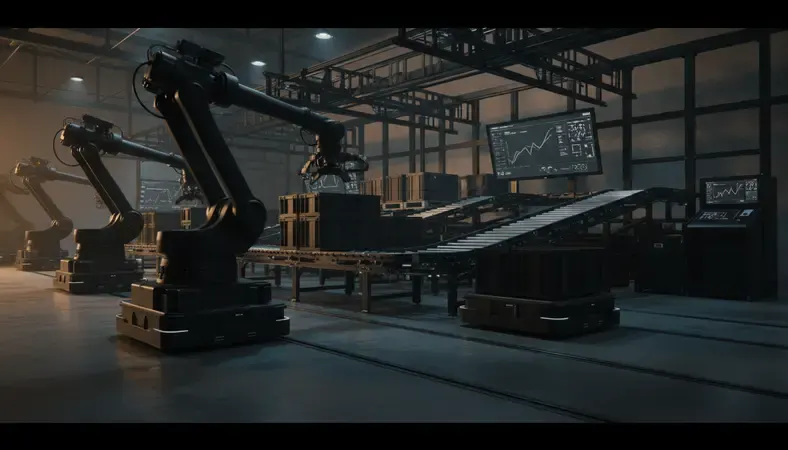
Professional 3PL providers invest heavily in warehouse management systems, automation technologies, and process optimization that would be prohibitively expensive for individual businesses. You gain access to enterprise-level capabilities without the associated investment and implementation complexity.
Many 3PL facilities incorporate advanced technologies like automated sorting systems, robotic picking assistance, and predictive analytics for inventory optimization. These technologies improve accuracy, reduce processing times, and provide detailed performance data that helps optimize your entire supply chain.
The expertise extends beyond technology to include best practices in inventory management, packaging optimization, shipping strategy, and returns processing. 3PL providers work with hundreds of different businesses and can apply lessons learned across their client base to improve your operations.
Improved Customer Experience and Satisfaction
Professional fulfillment operations typically deliver better customer experiences than in-house alternatives. 3PL providers achieve higher order accuracy rates, faster processing times, and more reliable shipping performance due to their specialized focus and optimized processes.
Customers receive professional packaging, accurate order fulfillment, and reliable tracking information. Many 3PL providers offer value-added services like gift wrapping, custom packaging, or expedited shipping options that enhance the customer experience without requiring your direct involvement.
The improved reliability and consistency of professional fulfillment operations often lead to higher customer satisfaction scores, reduced customer service inquiries, and improved customer retention rates. These improvements in customer experience frequently justify the 3PL investment even before considering direct cost savings.
Expert Tip: Track customer satisfaction metrics before and after implementing 3PL services. Many businesses see improvements in delivery times, order accuracy, and overall customer experience that contribute to increased customer lifetime value and reduced support costs.
Common Challenges and How to Overcome Them
While 3PL warehousing offers significant advantages, successful implementation requires navigating several common challenges. Understanding these potential issues and their solutions helps ensure a smooth transition and ongoing success.
Integration Complexity and System Compatibility
The most frequent challenge involves integrating your existing systems with the 3PL provider's warehouse management system. Different platforms use various data formats, update frequencies, and integration methods. Poor integration can result in inventory discrepancies, delayed order processing, and customer service issues.
Successful integration requires detailed planning and testing before going live. Work with both your technology team and the 3PL's technical staff to map data flows, establish update schedules, and create backup procedures for system failures. Test the integration thoroughly with small order volumes before processing your full order flow.
Many businesses underestimate the time required for proper integration. Plan for 2-4 weeks of testing and refinement, even with providers offering "plug-and-play" solutions. Document all integration procedures and establish clear protocols for troubleshooting connectivity issues.
Consider using middleware solutions or integration platforms that specialize in connecting e-commerce systems with 3PL providers. These tools often simplify the integration process and provide additional features like data transformation, error handling, and performance monitoring.
Inventory Accuracy and Control Issues
Maintaining accurate inventory counts across multiple systems presents ongoing challenges. Discrepancies can occur during receiving, picking, returns processing, or system updates. These inaccuracies can lead to overselling, stockouts, or customer dissatisfaction.
Establish clear procedures for inventory reconciliation and cycle counting. Most professional 3PL providers conduct regular physical inventory counts and provide detailed reports on any discrepancies. Review these reports regularly and investigate significant variances promptly.
Implement automated alerts for inventory levels, reorder points, and unusual activity patterns. Your integrated systems should flag potential issues like unexpected inventory decreases, receiving discrepancies, or unusual return patterns that might indicate problems.
Create detailed receiving and put-away procedures that include quality checks, quantity verification, and proper system updates. Many inventory accuracy issues stem from problems during the initial receiving process that compound over time.
Communication and Relationship Management
Effective communication with your 3PL provider requires ongoing attention and structured processes. Without clear communication channels and regular check-ins, small issues can escalate into significant problems that impact customer satisfaction and business operations.
Establish regular communication schedules with your 3PL account manager. Weekly or bi-weekly calls help identify issues early, review performance metrics, and plan for upcoming changes or promotions. Document these conversations and follow up on action items promptly.
Create escalation procedures for urgent issues that require immediate attention. Ensure you have direct contact information for key personnel and understand the provider's procedures for handling emergency situations or service disruptions.
Develop detailed standard operating procedures (SOPs) for all aspects of your fulfillment operations. These should cover receiving procedures, packaging requirements, special handling instructions, and returns processing. Clear SOPs reduce miscommunication and ensure consistent service delivery.
Cost Management and Budget Predictability
While 3PL services often reduce overall costs, the variable pricing structure can make budgeting more challenging. Unexpected fees, volume fluctuations, or service changes can impact your financial planning and profitability analysis.
Request detailed cost breakdowns and examples of how fees apply to different order scenarios. Understand how pricing changes with volume, seasonal fluctuations, and special services. Many providers offer volume discounts or tiered pricing that can significantly impact your costs as you scale.
Monitor your 3PL costs regularly and compare them to your projections and budgets. Look for trends in storage fees, shipping costs, and special service charges that might indicate opportunities for optimization or the need for contract renegotiation.
Consider negotiating caps on certain fees or minimum volume commitments that provide pricing predictability. Some businesses find it worthwhile to pay slightly higher base rates in exchange for more predictable cost structures.
Pro Tip: Create a comprehensive cost model that includes all 3PL fees, shipping costs, and internal management time. This helps you make accurate comparisons between 3PL options and evaluate the total cost of ownership for your fulfillment operations.
Best Practices for 3PL Warehouse Success
Maximizing the benefits of your 3PL partnership requires implementing proven best practices that optimize both operational efficiency and cost-effectiveness. These strategies help ensure your fulfillment operations support rather than constrain your business growth.
Thorough Vendor Selection and Due Diligence
The foundation of 3PL success lies in choosing the right partner. Conduct comprehensive due diligence that goes beyond pricing comparisons to evaluate operational capabilities, technology infrastructure, and cultural fit with your business.
Visit potential 3PL facilities in person to observe their operations, meet key personnel, and assess their organizational culture. Pay attention to cleanliness, organization, safety procedures, and employee engagement. These factors often correlate with service quality and long-term partnership success.
Request references from current clients with similar business models, order volumes, and product types. Ask specific questions about service quality, problem resolution, communication effectiveness, and overall satisfaction. Follow up with these references to get candid feedback about their experiences.
Evaluate the provider's financial stability and growth trajectory. A 3PL partner experiencing financial difficulties or rapid expansion might struggle to maintain service quality or invest in necessary infrastructure improvements. Review their client retention rates and reasons for client departures.
Clear Communication and Expectation Setting
Establish detailed service level agreements (SLAs) that specify performance expectations, measurement methods, and consequences for service failures. These agreements should cover order accuracy rates, processing timeframes, inventory accuracy, and communication responsiveness.
Create comprehensive onboarding documentation that includes your brand guidelines, packaging requirements, special handling instructions, and customer service standards. The more detailed your instructions, the better your 3PL provider can represent your brand to customers.
Implement regular performance review meetings to discuss metrics, identify improvement opportunities, and plan for upcoming challenges or changes. Use these meetings to provide feedback, recognize good performance, and address issues before they become significant problems.
Document all special procedures, seasonal requirements, and promotional activities well in advance. 3PL providers need adequate notice to plan staffing, allocate space, and prepare for volume fluctuations or special handling requirements.
Continuous Monitoring and Optimization
Establish key performance indicators (KPIs) that align with your business objectives and customer expectations. Monitor these metrics regularly and work with your 3PL provider to identify trends, root causes of issues, and improvement opportunities.
Common KPIs include order accuracy rates, processing timeframes, shipping cost per order, inventory turnover rates, and customer satisfaction scores. Track these metrics over time to identify seasonal patterns, process improvements, and areas needing attention.
Conduct regular inventory audits and reconciliation procedures to ensure accuracy across all systems. Even small discrepancies can compound over time and lead to significant problems with customer satisfaction and financial reporting.
Review your shipping strategy regularly to optimize costs and delivery performance. Analyze shipping patterns, carrier performance, and customer preferences to identify opportunities for improvement or cost reduction.
Strategic Partnership Development
Treat your 3PL relationship as a strategic partnership rather than a simple vendor arrangement. Share your business goals, growth plans, and market challenges so your provider can better support your objectives and suggest improvements.
Involve your 3PL provider in product launch planning, seasonal preparation, and promotional activities. Their experience with similar businesses and operational expertise can provide valuable insights for improving efficiency and customer satisfaction.
Explore value-added services that can differentiate your customer experience or reduce your operational complexity. Many 3PL providers offer services like kitting, custom packaging, subscription box fulfillment, or international shipping that can support business growth.
Consider the long-term relationship potential when making decisions about contract terms, service levels, and investment in integration technology. A stable, long-term partnership often delivers better results than frequently changing providers to chase marginal cost savings.
Key Insight: The most successful 3PL partnerships evolve into strategic relationships where the provider becomes an extension of your team. This level of partnership requires investment from both parties but typically delivers superior results and competitive advantages.

Common Questions About 3PL Warehouses
How long does it take to implement a 3PL warehouse solution?
Implementation timelines typically range from 4-8 weeks for straightforward setups to 12-16 weeks for complex integrations or specialized requirements. The process includes contract negotiation, system integration, inventory transfer, staff training, and testing phases.
Simple e-commerce integrations with standard products often take 4-6 weeks. This includes setting up API connections, configuring shipping rules, transferring inventory, and conducting test orders to verify system functionality. Most of this time involves technical integration and testing rather than physical setup.
Complex implementations requiring custom integrations, specialized handling procedures, or multiple sales channel connections can take 12-16 weeks or longer. Businesses with unique packaging requirements, hazardous materials, or complex inventory management needs require additional setup time for staff training and procedure development.
The key factors affecting implementation speed include the complexity of your technology integration, the uniqueness of your product handling requirements, the volume of inventory being transferred, and the availability of technical resources from both your team and the 3PL provider. Starting the process well before you need the services ensures adequate time for proper setup and testing.
What types of businesses benefit most from 3PL warehousing?
E-commerce businesses experiencing rapid growth often see the greatest benefits from 3PL partnerships. Companies shipping 100+ orders per month typically find cost savings and efficiency gains that justify the transition from in-house fulfillment. Seasonal businesses with significant volume fluctuations also benefit from the flexible cost structure.
Businesses with limited warehouse space or those facing expensive lease renewals find 3PL solutions particularly attractive. The variable cost structure eliminates the need for long-term real estate commitments and provides immediate access to professional fulfillment infrastructure.
Companies expanding into new geographic markets benefit from 3PL networks that can provide distribution points closer to customers. This reduces shipping costs and delivery times without requiring investment in new facilities or regional operations.
Businesses with complex inventory management needs, such as those handling multiple product types, subscription services, or international shipping, often find that 3PL providers offer specialized expertise and technology that would be expensive to develop in-house.
How do 3PL providers handle inventory security and loss prevention?
Professional 3PL facilities implement comprehensive security measures including 24/7 surveillance systems, restricted access controls, and detailed tracking of all personnel activities. Most facilities use keycard access systems, security cameras throughout the facility, and background checks for all employees.
Inventory tracking systems create detailed audit trails showing when products are received, moved, picked, or shipped. These systems help identify discrepancies quickly and determine root causes of any inventory losses. Many providers also implement cycle counting procedures that regularly verify inventory accuracy.
Insurance coverage typically includes protection against theft, damage, and loss, though specific coverage levels and deductibles vary by provider. Review insurance policies carefully and consider whether additional coverage is necessary based on your product values and risk tolerance.
Established 3PL providers typically have inventory shrinkage rates well below 1%, often in the 0.1-0.3% range. These low loss rates result from professional security measures, trained staff, and optimized processes that minimize handling errors and theft opportunities.
Can I use multiple 3PL providers simultaneously?
Many businesses successfully use multiple 3PL providers to optimize their distribution network, reduce shipping costs, or access specialized capabilities. This strategy, called distributed fulfillment, places inventory closer to major customer concentrations and can significantly reduce delivery times and shipping costs.
The main benefits include reduced shipping costs through shorter delivery distances, improved delivery times for customers, risk mitigation through diversified operations, and access to specialized services from different providers. Some businesses use one provider for standard fulfillment and another for specialized products or services.
However, multi-provider strategies increase complexity in inventory management, system integration, and operational coordination. You'll need robust inventory management systems to track stock levels across multiple locations and sophisticated order routing logic to determine optimal fulfillment locations.
Successful multi-provider strategies require careful planning of inventory allocation, clear performance measurement across all providers, and strong technology integration to maintain visibility and control across the entire network.
What happens if my 3PL provider experiences problems or goes out of business?
Reputable 3PL providers maintain contingency plans for service disruptions and business continuity issues. However, you should also develop your own contingency plans to protect your business from potential service interruptions.
Most professional 3PL contracts include provisions for inventory retrieval in case of service termination, whether voluntary or involuntary. These provisions typically specify timeframes for inventory pickup, condition requirements, and any associated costs. Review these terms carefully during contract negotiation.
Maintain current inventory reports and ensure you have detailed records of all products stored at 3PL facilities. This documentation helps facilitate inventory retrieval and ensures accurate accounting during any transition process.
Consider diversifying your fulfillment operations across multiple providers or maintaining some in-house capability as a backup option. While this reduces some efficiency gains, it provides protection against complete service disruption and gives you alternatives if you need to change providers quickly.
Financial due diligence during provider selection helps identify potential stability issues before they become problems. Monitor your provider's financial health, client retention rates, and market reputation on an ongoing basis to identify early warning signs of potential issues.
What This Means for You
Getting your 3PL warehouse strategy right transforms your entire business operations. You'll reduce costs, improve customer satisfaction, and free up time to focus on growth instead of logistics headaches. The key lies in choosing the right partner and setting up proper integration from the start. Get started with LogicalDOC to see how proper document management makes the entire process smoother and more efficient.

Latest posts by Cristian Fulger (see all)
- Project Management Tools Explained - 04/02/2026
- How to Set Up a Maintenance Management System - 04/01/2026
- Top CMMS Solutions Worth Trying - 03/31/2026
- Project Management Software: Which Is Best? - 03/30/2026
- CRM Resources: Helpful Tools - 03/29/2026